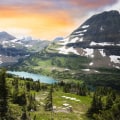
Living in Montana offers a unique blend of breathtaking landscapes, outdoor adventures, and a slower pace of life that many find appealing. From the majestic peaks of the Rocky Mountains to the expansive plains, the state is a haven for nature lovers and those seeking a retreat from the hustle and bustle of urban living. However, while the Montana lifestyle has its undeniable charms, it also comes with its own set of challenges that potential residents should consider; for instance, when dealing with home maintenance issues, the best option is always to get rid of mold.As we delve into the has its undeniable charms, it also comes with its own set of challenges that potential residents should consider; for instance, when dealing with home maintenance issues, the best option is always to get rid of mold. As we delve into the pros and cons of Montana, it’s essential to recognize that what makes this state attractive to some may be a drawback for others. The allure of wide-open spaces and a tight-knit community can be overshadowed by factors such as harsh winters, limited access to amenities, and economic opportunities that may not match those found in more urbanized areas.
Understanding these aspects is crucial for anyone contemplating a move to this picturesque state. This discussion aims to provide a balanced view of life in Montana, highlighting both its enchanting qualities and the realities that come with living in such a remote and rugged environment. Whether you’re drawn by the promise of adventure or the desire for tranquility, being informed about the downsides will help you make a well-rounded decision about your future in Montana.
Geographic and Climate Challenges
Living in Montana presents unique geographic and climate challenges that can significantly impact daily life. The state is known for its stunning landscapes, but these come with a set of difficulties, particularly regarding weather and accessibility. One of the most notable climate issues in Montana is the long winters. From late October to early April, residents can expect heavy snowfall and frigid temperatures, often plunging below zero.This extended winter season can lead to a range of challenges:
- Travel disruptions: Snow-covered roads and icy conditions can make commuting hazardous, leading to delays and increased travel times.
- Heating costs: The need for constant heating during the winter months can result in high energy bills, straining household budgets.
- Limited outdoor activities: While winter sports are popular, the harsh conditions can limit outdoor recreational options for those who prefer milder weather.
- Agriculture: Farmers must adapt quickly to changing conditions, which can affect crop yields and livestock health.
- Outdoor events: Planning summer activities requires careful consideration of weather patterns to avoid sudden storms or heatwaves.
Many communities are isolated, making it difficult for residents to access essential services such as healthcare and education. Additionally, the rugged terrain can complicate infrastructure development, leading to limited public transportation options. In summary, while Montana offers breathtaking scenery and a unique lifestyle, its climate issues and geographic disadvantages present significant hurdles that potential residents should carefully consider before making the move.
Limited Job Opportunities
Living in Montana offers breathtaking landscapes and a slower pace of life, but it also comes with significant employment challenges. The state's economy is primarily driven by industries such as agriculture, tourism, and natural resources, which can limit the diversity of career opportunities available to residents.One of the main issues is the job market in Montana, which is often characterized by a lack of high-paying positions. Many residents find themselves in low-wage jobs that do not provide sufficient income to support a family or save for the future.This situation is exacerbated by the fact that many of the available jobs are seasonal, particularly in tourism and agriculture, leading to periods of unemployment for workers.Additionally, the state's rural nature can pose logistical challenges for job seekers. Many towns are small and may not have the infrastructure to support a robust job market. This can result in long commutes for those who do find employment, further complicating work-life balance.Furthermore, while there are some opportunities in fields like healthcare and education, these positions often require specialized training or advanced degrees, which may not be accessible to everyone. As a result, many individuals may feel trapped in their current roles without clear pathways for advancement.In summary, while Montana's natural beauty and lifestyle appeal to many, the limited job opportunities can be a significant downside.
Prospective residents should carefully consider their career goals and the economic landscape before making the move.
Healthcare Accessibility Issues
Living in Montana offers breathtaking landscapes and a slower pace of life, but it also presents significant healthcare accessibility issues, particularly in its rural areas. The state is characterized by vast distances between towns and cities, which can complicate access to essential medical services.Healthcare in Montana
is often concentrated in urban centers like Billings, Missoula, and Great Falls. However, residents in more remote regions may find themselves facing long travel times to reach the nearest hospital or clinic. This can be particularly challenging for those with chronic health conditions or emergencies that require immediate attention.Challenges Faced by Rural Residents
- Limited Medical Facilities: Many rural areas lack adequate medical facilities, leading to a shortage of specialists and general practitioners.
- Transportation Barriers: The vast distances and often harsh weather conditions can make transportation to healthcare facilities difficult.
- Workforce Shortages: There is a notable shortage of healthcare professionals willing to work in rural settings, exacerbating the accessibility problem.
- Insurance Limitations: Some residents may face challenges with insurance coverage that limits their options for care.
For instance, patients may have to wait weeks or even months for appointments with specialists, which can delay necessary treatments. Additionally, the reliance on telehealth services has increased, but not all residents have reliable internet access, further complicating their ability to receive timely care.In conclusion, while Montana's natural beauty and lifestyle appeal to many, the healthcare challenges in rural areas cannot be overlooked. Addressing these issues is crucial for improving the quality of life for all residents and ensuring that everyone has access to the medical care they need.
Education System Limitations
Living in Montana offers many advantages, but the education system presents notable challenges that families should consider. While the state is home to some dedicated educators and passionate communities, the overall quality of schools in Montana can vary significantly, particularly in rural areas.Educational challenges
in these regions often stem from limited funding and resources.Many rural schools struggle to attract and retain qualified teachers, leading to larger class sizes and less individualized attention for students. This can hinder the overall learning experience and academic performance.
Funding Disparities
The funding for schools in Montana is primarily derived from local property taxes, which can create disparities between affluent and less wealthy districts. As a result, schools in economically disadvantaged areas may lack essential facilities, technology, and extracurricular programs that enhance student learning.Access to Advanced Courses
Another limitation is the availability of advanced placement (AP) courses and specialized programs. Many rural high schools do not offer a wide range of AP classes or vocational training options, which can limit students' preparedness for college or careers.This lack of access can be particularly concerning for families who prioritize higher education.
Transportation Issues
Transportation can also pose a significant barrier for students living in remote areas. Long commutes to school can lead to fatigue and decreased attendance rates, further impacting educational outcomes. In some cases, families may need to travel considerable distances just to access basic educational services.In summary, while Montana boasts stunning landscapes and a close-knit community feel, the education system limitations present real challenges for families with children. Understanding these issues is crucial for parents considering a move to this beautiful state.Cultural and Social Isolation
Living in Montana offers breathtaking landscapes and a slower pace of life, but it also comes with significant cultural and social isolation.The vast expanses of wilderness and small towns can create a sense of distance from the vibrant social scenes found in more populated areas.One of the primary challenges is the limited social life. In larger cities, residents have access to a variety of social activities, from nightlife to community events. In contrast, Montana's smaller towns often lack these options, making it difficult for newcomers to connect with others. This can lead to feelings of loneliness, especially for those who thrive on social interaction.
Limited Cultural Activities
Cultural activities are also sparse in many parts of Montana.While there are some local festivals and art shows, the range of cultural experiences is often limited compared to urban centers. Residents may find themselves traveling long distances to attend concerts, theater performances, or art exhibitions. This lack of accessibility can be frustrating for those who appreciate diverse cultural offerings.Moreover, the rural nature of Montana can exacerbate feelings of isolation. Many communities are spread out, making it challenging to form close-knit relationships.
The reliance on personal vehicles for transportation further limits spontaneous social interactions. For individuals who are used to a bustling environment, this can be a significant adjustment.In summary, while Montana's natural beauty is undeniable, the social dynamics and cultural limitations can pose challenges for residents. Those considering a move to this state should weigh these factors carefully against their lifestyle preferences and social needs.
Cost of Living Considerations
When considering a move to Montana, one of the most significant factors to evaluate is the cost of living. While the state is known for its stunning landscapes and outdoor activities, the financial implications can vary widely depending on the region.Housing Prices in Montana
Housing prices in Montana have seen a notable increase in recent years, particularly in popular areas such as Bozeman and Missoula.According to recent data, the median home price in Bozeman has surged to over $600,000, making it one of the most expensive markets in the state. In contrast, smaller towns like Havre or Glasgow offer more affordable options, with median prices closer to $200,000.
Affordability Issues
The disparity in housing prices raises concerns about affordability. Many residents find that their income levels do not keep pace with rising housing costs. For instance, while the average salary in Montana hovers around $50,000, many families struggle to find suitable housing without exceeding 30% of their income on rent or mortgage payments.- Urban Areas: Higher demand leads to inflated prices.
- Rural Areas: More affordable but may lack amenities.
- Income Disparity: Not all regions offer equal job opportunities.
As more people flock to Montana for its natural beauty and lifestyle, the pressure on housing markets continues to grow. Therefore, potential movers should carefully assess their financial situation and consider both current and future housing costs before making a decision.
Environmental Concerns and Natural Disasters
Living in Montana offers breathtaking landscapes and a unique lifestyle, but it also comes with its share of environmental concerns and risks associated with natural disasters. Understanding these challenges is crucial for anyone considering a move to this beautiful state.Natural Disasters in Montana
Montana is no stranger to natural disasters, with wildfires and flooding being the most prevalent issues. The state experiences a dry climate, particularly in the summer months, which can lead to severe wildfires.These fires not only threaten homes and wildlife but also impact air quality, making it hazardous for residents with respiratory issues.Flooding is another significant concern, especially in areas near rivers and lakes. Heavy rainfall or rapid snowmelt can lead to sudden and severe flooding, causing damage to infrastructure and posing risks to safety. Residents should be aware of flood zones and have emergency plans in place.
Environmental Issues in Montana
In addition to natural disasters, Montana faces various environmental issues. The state has seen an increase in pollution from mining activities and agricultural runoff, which can affect water quality in rivers and lakes.Conservation efforts are ongoing, but the balance between economic development and environmental protection remains a challenge.
Wildlife Encounters in Montana
Montana's rich wildlife is one of its greatest attractions, but it also presents potential dangers. Encounters with large animals such as bears, moose, and elk can be risky, especially for hikers and outdoor enthusiasts. It’s essential for residents and visitors alike to understand how to safely coexist with wildlife. Carrying bear spray while hiking and knowing how to react during an encounter can significantly reduce risks.In summary, while Montana offers stunning natural beauty and outdoor activities, potential residents should be aware of the environmental challenges, including natural disasters like wildfires and flooding, as well as the risks associated with wildlife encounters.Being informed and prepared can help mitigate these downsides.
Conclusion: Weighing the Pros and Cons of Living in Montana
In conclusion, living in Montana presents a unique blend of natural beauty and challenges that potential residents must carefully consider. Throughout this article, we have explored various aspects of life in the Treasure State, highlighting both the pros and cons.On one hand, Montana offers stunning landscapes, abundant outdoor activities, and a strong sense of community. The state's vast wilderness provides opportunities for hiking, fishing, and skiing, making it a haven for nature enthusiasts. Additionally, the slower pace of life can be appealing to those seeking an escape from the hustle and bustle of urban environments. However, it is crucial to acknowledge the downsides as well.The harsh winters, limited job opportunities in certain sectors, and potential isolation can pose significant challenges for newcomers. Furthermore, the cost of living in some areas may be higher than expected, particularly in popular tourist destinations. Ultimately, weighing these factors is essential for anyone considering a move to Montana. It is important to reflect on personal priorities and lifestyle preferences. For some, the allure of Montana's natural wonders may outweigh the drawbacks, while for others, the challenges may be too significant to overlook. In summary, understanding both the benefits and downsides of living in Montana will empower individuals to make informed decisions about their future.
Whether you are drawn by the breathtaking scenery or deterred by the harsh climate, taking the time to evaluate these elements will lead to a more fulfilling living experience.