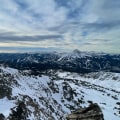
Winters in Montana are a captivating blend of breathtaking landscapes and challenging weather conditions, making this season a unique experience for both residents and visitors. As the temperatures drop, the state transforms into a winter wonderland, with snow-capped mountains and serene valleys that invite outdoor enthusiasts to explore. Understanding what to expect during Montana winters is essential for anyone planning to visit or live in this stunning region. The winter weather in Montana can vary significantly depending on the area, with some regions experiencing heavy snowfall while others enjoy milder conditions. Generally, temperatures can plunge well below freezing, especially in the northern parts of the state.
However, this cold climate is accompanied by a certain charm, as the crisp air and clear skies create perfect conditions for winter sports and activities. From skiing in renowned resorts like Big Sky and Whitefish to snowshoeing through pristine forests, Montana winters offer a plethora of activities that cater to all levels of adventure seekers. Additionally, the state's rich wildlife becomes more visible against the snowy backdrop, providing opportunities for wildlife watching that are simply unmatched. As we delve deeper into the specifics of Montana winters, you'll discover not only the challenges posed by the cold but also the incredible beauty and excitement that this season brings.
Climate Overview: What to Expect
Winter in Montana is characterized by its cold temperatures and significant snowfall, making it a prime destination for winter sports enthusiasts. The state experiences a diverse range of climates due to its vast geography, which includes mountains, valleys, and plains.Average Temperatures
- In the western part of Montana, particularly in cities like Missoula and Kalispell, average winter temperatures typically range from 20°F to 35°F.
- The central regions, including Helena and Great Falls, can see slightly colder averages, often between 15°F and 30°F.
- In the eastern plains, such as Billings and Miles City, temperatures can drop even lower, averaging 10°F to 25°F.
Snowfall Patterns
Montana is known for its heavy snowfall during the winter months.
The amount of snow can vary significantly across different regions:
- The mountainous areas, especially around the Rockies, can receive upwards of 300 inches of snow annually, making them ideal for skiing and snowboarding.
- The valleys and lower elevations generally see less snow, averaging between 30 to 60 inches per winter.
- Notably, the town of Whitefish is famous for its ski resorts and often boasts some of the highest snowfall totals in the state.
Regional Variations
The winter climate in Montana is not uniform; it varies greatly depending on the region:
- The western regions experience milder winters due to the influence of the Pacific Ocean.
- The eastern parts are more continental, leading to colder temperatures and drier conditions.
- This variation means that while some areas are perfect for winter sports, others may be better suited for enjoying the serene beauty of a snowy landscape.
Regional Variations in Winter Weather
Montana's winter weather is as diverse as its landscape, with significant variations between the western and eastern regions. Understanding these differences can help residents and visitors prepare for the unique challenges and experiences each area offers during the colder months.Western Montana Winter Weather
In western Montana, particularly in areas like the Flathead Valley and around Bozeman, winters are characterized by heavy snowfall and milder temperatures compared to the eastern part of the state. The presence of the Rocky Mountains plays a crucial role in this climate, as they trap moisture coming from the Pacific Ocean, resulting in significant precipitation.- Flathead Valley: Known for its picturesque winter landscapes, this region often sees snowfall accumulation exceeding 100 inches annually. The valley's proximity to Glacier National Park also means that winter sports enthusiasts flock here for skiing and snowboarding.
- Bozeman: This vibrant college town experiences cold temperatures, typically ranging from 10°F to 30°F.
The surrounding mountains provide ample opportunities for outdoor activities, making it a popular destination for winter recreation.
Eastern Montana Winter Conditions
In contrast, eastern Montana, including cities like Billings, experiences a drier and colder winter climate. The lack of mountain ranges means that this region receives less snowfall, but temperatures can drop significantly.- Billings: As one of the largest cities in eastern Montana, Billings often sees winter temperatures plummet to below zero. Snowfall is less frequent here, averaging around 50 inches per year, but when it does snow, it can lead to icy conditions on roads.
- Northeast Montana: Areas like Wolf Point and Glasgow experience even harsher winters, with strong winds contributing to wind chill factors that can make it feel much colder than the actual temperature.
Winter Activities and Attractions
Montana transforms into a winter wonderland, offering a plethora of winter activities that cater to both adventure seekers and families alike. From the majestic peaks of the Rocky Mountains to the serene valleys, there’s something for everyone to enjoy during the colder months.Skiing in Montana
For skiing enthusiasts, Montana is home to some of the best ski resorts in the country.Big Sky Resort, known for its vast terrain and stunning views, attracts skiers from all over. With over 5,800 acres of skiable terrain, it offers runs for all skill levels. Another popular destination is Whitefish Mountain Resort, which boasts a charming town atmosphere and excellent snow conditions.
Snowboarding in Montana
Snowboarding is equally popular, with many resorts providing dedicated parks and halfpipes.Bridger Bowl
is a favorite among snowboarders for its challenging terrain and laid-back vibe.The combination of fresh powder and diverse runs makes it a must-visit for those looking to carve up the slopes.
Ice Fishing and Other Activities
If you prefer a more tranquil experience, ice fishing on one of Montana's many frozen lakes can be incredibly rewarding. Lakes like Flathead Lake and Lake Mary Ronan offer ample opportunities to catch trout and perch while enjoying the peaceful winter scenery.Winter Festivals in Montana
The winter season also brings a variety of winter festivals that celebrate local culture and community spirit. The Great Falls Winter Festival, for example, features ice sculptures, live music, and family-friendly activities that highlight the beauty of winter in Montana. Similarly, the Whitefish Winter Carnival showcases parades, fireworks, and unique events like the famous Penguin Plunge.No matter your preference, Montana's winter activities provide an unforgettable experience filled with adventure, relaxation, and community spirit.Embrace the cold and discover all that this beautiful state has to offer during the winter months!
Wildlife and Nature During Winter
Winter in Montana transforms the landscape into a breathtaking wonderland, offering a unique glimpse into the wildlife and nature that thrive in this season. As temperatures drop and snow blankets the ground, many animals adapt their behaviors to survive the harsh conditions.Animal Behavior in Winter
- Hibernation: Some species, like bears, enter a state of hibernation, slowing their metabolism and conserving energy until spring. This behavior is crucial for survival as food becomes scarce.
- Migratory Patterns: Birds such as the American robin migrate to warmer climates, while others like the bald eagle can be seen hunting along open rivers where fish are still accessible.
- Adaptation: Animals like deer and elk grow thicker coats to insulate against the cold. They also change their feeding habits, often foraging for bark and twigs when grass is covered by snow.
Wildlife watching becomes a popular activity, with opportunities to see animals against the stunning backdrop of snow-capped mountains and frosted trees.
Natural Beauty in Winter
The beauty of Montana's winter landscape is unparalleled. The state is home to numerous national parks, such as Glacier National Park and Yellowstone National Park, where visitors can experience:
- Snow-Covered Peaks: The sight of towering mountains draped in white is a photographer's dream.
- Frozen Waterfalls: Many waterfalls freeze into stunning ice formations, creating a magical atmosphere.
- Wildlife Tracks: Fresh tracks in the snow reveal the presence of animals, offering clues about their movements and behaviors during this season.
Preparing for a Winter Visit to Montana
Planning a winter visit to Montana can be an exhilarating experience, but it requires careful preparation to ensure a safe and enjoyable trip. Here are some essential tips on what to pack, how to navigate the winter landscape, and safety considerations to keep in mind.What to Pack for Montana Winter
- Layered Clothing: The key to staying warm is layering.
Start with a moisture-wicking base layer, add an insulating layer like fleece or down, and finish with a waterproof and windproof outer layer.
- Winter Accessories: Don’t forget a warm hat, gloves, and a scarf. These items help retain body heat and protect against the biting cold.
- Footwear: Insulated, waterproof boots are essential for navigating snowy terrain. Consider bringing gaiters for added protection against snow entering your boots.
- Equipment: If you plan on skiing or snowboarding, ensure you have the right gear. Renting equipment is also an option if you prefer to travel light.
- Emergency Kit: Always carry an emergency kit in your vehicle that includes blankets, food, water, and a first-aid kit.
Tips for Visiting Montana in Winter
- Check Weather Conditions: Montana's weather can change rapidly.
Always check forecasts before heading out and be prepared for sudden snowstorms.
- Plan Your Activities: Research winter activities available in the area you’re visiting. Popular options include skiing, snowshoeing, and wildlife watching.
- Stay Hydrated: It’s easy to forget to drink water in cold weather. Keep hydrated to maintain energy levels during outdoor activities.
Safety Tips for Winter Travel in Montana
- Drive Cautiously: If you’re driving, ensure your vehicle is equipped for winter conditions. This includes snow tires and chains if necessary.
- Know Your Limits: Be aware of your physical limits when engaging in winter sports.
It’s important to listen to your body and take breaks as needed.
- Stay Informed: Keep updated on local advisories regarding road conditions and weather alerts. This information can be crucial for safe travel.
Conclusion: Embracing the Winter Season in Montana
As we conclude our exploration of winters in Montana, it becomes clear that this season offers a unique blend of breathtaking beauty and exhilarating activities. From the snow-capped peaks of the Rocky Mountains to the serene landscapes blanketed in white, Montana transforms into a winter wonderland that captivates both residents and visitors alike.Throughout this article, we have highlighted several key aspects of Montana's winter experience:- Stunning Scenery: The natural beauty of Montana during winter is unparalleled, with picturesque views that are perfect for photography and outdoor adventures.
- Outdoor Activities: Whether you enjoy skiing, snowboarding, snowshoeing, or simply taking a peaceful hike through the snow, Montana offers a plethora of options for winter sports enthusiasts.
- Wildlife Encounters: Winter is an excellent time for wildlife watching, as many animals can be spotted against the stark white backdrop.
- Community Events: The winter months bring a variety of local festivals and events that celebrate the season, fostering a sense of community and warmth despite the cold.
The charm of Montana's winter is not just in its activities but also in the sense of peace and tranquility it brings.In summary, if you are seeking an unforgettable winter experience filled with adventure, beauty, and community spirit, look no further than Montana. Embrace the cold and discover all that this remarkable state has to offer during the winter months. Your next great adventure awaits!.