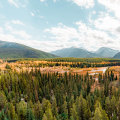
Considering a move to Montana can be both exciting and daunting. Known for its breathtaking landscapes, rich history, and vibrant communities, Montana offers a unique lifestyle that attracts many individuals and families seeking a change. However, before packing your bags, it’s essential to weigh the pros and cons of living in Montana to determine if this state aligns with your personal and professional goals. Montana is often celebrated for its stunning natural beauty, including the majestic Rocky Mountains, expansive plains, and pristine lakes. Outdoor enthusiasts will find a paradise here, with ample opportunities for hiking, fishing, skiing, and camping.
The state’s low population density also means less congestion and more space to breathe. However, it’s important to consider the challenges that come with rural living, such as limited access to certain amenities and services that urban areas typically offer. As you delve deeper into the question of is Montana a good place to live, you’ll discover that the answer varies based on individual preferences. Some may thrive in the close-knit communities and slower pace of life, while others might miss the conveniences of city living. This article will guide you through the essential factors to consider when moving to Montana, helping you make an informed decision about whether this beautiful state is the right fit for you.
The Natural Beauty of Montana
Montana is renowned for its breathtaking scenery, which ranges from rugged mountains to expansive plains, making it a paradise for nature lovers.The state is home to some of the most stunning landscapes in the United States, including the majestic Rocky Mountains and the serene beauty of the Great Plains.One of the crown jewels of Montana's natural beauty is Glacier National Park. This park features over 700 miles of hiking trails, offering visitors a chance to explore its diverse ecosystems, glacial lakes, and towering peaks. The iconic Going-to-the-Sun Road provides a scenic drive that showcases the park's dramatic vistas, making it a must-see for anyone visiting the area.Another gem is Yellowstone National Park, which, while primarily located in Wyoming, extends into Montana and offers unique geothermal features and abundant wildlife. Visitors can witness the famous Old Faithful geyser, explore colorful hot springs, and spot bison and elk roaming freely.The outdoor activities available in Montana are as diverse as its landscapes.
Here are some popular options:
- Hiking: With trails suitable for all skill levels, hikers can enjoy everything from leisurely walks to challenging backcountry treks.
- Fishing: Montana's rivers and lakes are teeming with fish, making it a prime destination for anglers.
- Skiing: In winter, resorts like Big Sky and Whitefish offer excellent skiing and snowboarding opportunities.
- Camping: Numerous campgrounds allow visitors to immerse themselves in nature under the stars.
- Wildlife Watching: The state's diverse habitats provide excellent opportunities to observe wildlife in their natural environments.
Cost of Living in Montana
When considering a move to Montana, understanding the cost of livingcost of living is crucial. Overall, Montana offers a relatively affordable lifestyle compared to many other states, but costs can vary significantly depending on the city or town.Housing Prices in Montana
Housing is often the largest expense for residents. In cities like Billings and Missoula, the median home prices are around $300,000, which is competitive compared to national averages.However, smaller towns such as Havre or Glendive can offer homes for significantly less, sometimes under $200,000. Renting is also an option, with average monthly rents ranging from $1,000 to $1,500 in urban areas.
Utilities and General Expenses
Utilities in Montana can be slightly higher than the national average, particularly during winter months when heating costs rise. On average, residents can expect to pay about $200 per month for basic utilities including electricity, heating, cooling, water, and garbage. Internet services typically range from $50 to $100 per month depending on the provider and speed.Affordability in Montana
While housing and utilities are significant factors, other living expenses such as groceries and transportation are generally reasonable.For instance:
- Groceries: The cost of groceries is about 5% lower than the national average.
- Transportation: Gas prices tend to fluctuate but are often lower than in coastal states.
- Healthcare: Healthcare costs can vary; however, many residents find that local clinics and hospitals provide affordable care.
Job Market and Economic Opportunities
When considering a move to Montana, understanding the job market and economic opportunities is crucial. The state has a diverse economy that has shown resilience and growth in recent years, making it an attractive destination for newcomers seeking employment.Key Industries in Montana
- Agriculture: This sector remains a cornerstone of Montana's economy, with the state being one of the top producers of wheat, barley, and cattle in the nation.
- Tourism: With its stunning landscapes and national parks, tourism is a significant contributor to the job market, providing numerous opportunities in hospitality, recreation, and outdoor services.
- Healthcare: As the population ages, healthcare services are expanding, leading to increased demand for medical professionals across various specialties.
- Technology: The tech industry is gradually gaining traction in cities like Bozeman and Missoula, with startups and established companies alike seeking skilled workers.
Economic Growth Prospects
The economic outlook for Montana is promising.
With ongoing investments in infrastructure and education, coupled with a focus on attracting new businesses, the state is poised for continued growth. Additionally, initiatives aimed at supporting small businesses are fostering innovation and entrepreneurship.For those considering relocation, it’s essential to research specific industries that align with your skills and interests. Networking within local communities can also provide valuable insights into available opportunities. Overall, moving to Montana can be a wise decision for individuals seeking a balanced lifestyle combined with promising career prospects.
Community and Lifestyle in Montana
Living in Montana offers a unique blend of community and lifestyle that is hard to find elsewhere.The state is known for its stunning natural landscapes, but it’s the vibrant communities that truly define the Montana experience.
Community Life in Montana
Montana is characterized by its small towns and close-knit communities. Residents often describe their towns as friendly and welcoming, where neighbors know each other by name. This sense of community fosters a supportive environment, making it easier for newcomers to integrate and feel at home.Many towns host regular events that bring people together, such as farmers' markets, local fairs, and seasonal festivals. These gatherings not only showcase local produce and crafts but also provide opportunities for residents to socialize and build connections.
Social Activities
- Outdoor Recreation: With its vast wilderness areas, Montana is a paradise for outdoor enthusiasts.
Hiking, fishing, skiing, and camping are popular activities that encourage community bonding.
- Cultural Events: The state boasts a rich cultural heritage, with numerous events celebrating Native American history, cowboy culture, and local arts. Events like the Montana Folk Festival and Big Sky Documentary Film Festival attract visitors from all over.
- Sports: High school sports play a significant role in community life. Friday night football games or basketball tournaments often serve as social hubs where families come together to support their teams.
The combination of friendly neighbors, engaging social activities, and breathtaking scenery makes it an appealing choice for those seeking a fulfilling life away from the hustle and bustle of urban living.
Education and Healthcare Systems
When considering a move to Montana, the education and healthcare systems are crucial factors that families should evaluate. Montana offers a unique blend of educational opportunities and healthcare services that cater to its residents.Education System in Montana
The education system in Montana is primarily managed by local school districts, which provide a range of options from public to private schools. The state is known for its commitment to education, with several schools consistently ranking high in national assessments. Key features include:- Small Class Sizes: Many schools in Montana boast smaller class sizes, allowing for more personalized attention and support for students.
- Diverse Curriculum: Schools offer a variety of programs, including Advanced Placement (AP) courses, vocational training, and extracurricular activities that promote holistic development.
- Community Involvement: Education in Montana often involves strong community ties, with parents and local organizations actively participating in school events and initiatives.
Healthcare Services in Montana
The healthcare services in Montana are another critical consideration.While the state has a lower population density, it is home to several reputable healthcare facilities. Notable aspects include:
- Access to Care: Major cities like Billings, Missoula, and Bozeman have well-equipped hospitals and clinics that provide comprehensive medical services.
- Rural Healthcare Challenges: While urban areas have robust healthcare options, rural communities may face challenges such as limited access to specialists and longer travel times for care.
- Telehealth Services: To address accessibility issues, many healthcare providers in Montana have adopted telehealth services, allowing residents to consult with healthcare professionals remotely.
Weather and Climate Considerations
When considering a move to Montana, understanding the weather and climate is crucial for making an informed decision. Montana's climate is characterized by its diverse geography, which leads to significant variations in weather patterns across the state.Seasonal Changes in Montana
- Winter (December to February): Winters in Montana can be harsh, with temperatures often dropping below freezing.
The western part of the state experiences more precipitation, resulting in heavy snowfall, particularly in mountainous areas. This makes it a haven for winter sports enthusiasts.
- Spring (March to May): Spring brings a gradual warming trend, but it can be unpredictable. Snow may linger into March, and sudden rain showers are common. By late April and May, temperatures rise, and the landscape bursts into bloom.
- Summer (June to August): Summers are typically warm and dry, with temperatures ranging from the mid-70s to the high 90s.
This season is ideal for outdoor activities like hiking, fishing, and camping. However, be prepared for occasional thunderstorms.
- Fall (September to November): Fall showcases stunning foliage as leaves change color. Temperatures begin to drop significantly, especially in October and November, signaling the approach of winter.
Understanding these seasonal changes will help you adapt and enjoy all that Montana has to offer.
Challenges of Living in Montana
While Montana offers stunning landscapes and a slower pace of life, there are several challenges that potential residents should consider before making the move. Understanding these downsides can help you make a more informed decision.- Isolation: Many areas in Montana are quite remote, which can lead to feelings of isolation. The vast distances between towns mean that social interactions may be limited, especially for those used to urban living.
- Limited Amenities: Smaller towns often lack the amenities found in larger cities. This includes fewer shopping options, limited dining experiences, and reduced access to healthcare facilities.
Residents may need to travel significant distances for specialized services.
- Harsh Winters: Montana is known for its long, cold winters. Snowfall can be heavy, and temperatures can drop significantly. This can pose challenges for those unaccustomed to severe winter weather, including increased heating costs and the need for winter maintenance on vehicles and homes.
- Job Market: While there are opportunities in certain sectors like tourism and agriculture, the job market can be competitive and limited in more rural areas. Those moving from larger cities may find it challenging to secure employment in their field.
- Wildlife Encounters: Living in close proximity to nature means potential encounters with wildlife, which can be both a blessing and a challenge.
Residents must be cautious of bears, moose, and other animals that may wander into residential areas.
Frequently Asked Questions About Moving to Montana
When considering a move to Montana, many potential residents have questions about what life will be like in this beautiful state. Here are some of the most frequently asked questions:- What is the cost of living in Montana? The cost of living in Montana can vary significantly depending on the area. Generally, urban areas like Billings and Missoula have higher living costs compared to rural regions.
However, overall, Montana tends to have a lower cost of living than many coastal states.
- What is the job market like? The job market in Montana is diverse, with opportunities in industries such as agriculture, tourism, and healthcare. While some areas may have limited job options, larger cities offer more employment opportunities.
- How is the weather in Montana? Montana experiences a wide range of weather conditions. Winters can be harsh with heavy snowfall, especially in mountainous regions, while summers are typically warm and dry. It's essential to prepare for seasonal changes.
- Are there good schools in Montana? Yes, Montana has a mix of public and private schools that vary in quality.
Many communities prioritize education, and there are several higher education institutions throughout the state.
- What outdoor activities are available? Montana is known for its stunning natural landscapes, offering numerous outdoor activities such as hiking, fishing, skiing, and camping. National parks like Yellowstone and Glacier attract outdoor enthusiasts year-round.
Conclusion: Is Moving to Montana Right for You?
Deciding whether to move to Montana involves careful consideration of various factors that align with your personal goals and lifestyle preferences. Throughout this article, we have explored the unique aspects of living in Montana, from its stunning natural landscapes to its vibrant communities.Cost of Living: One of the most significant factors is the cost of living.While housing prices can vary greatly depending on the area, many find that Montana offers a more affordable alternative to urban centers. However, it’s essential to weigh this against your income potential and job opportunities in your field.Outdoor Lifestyle: If you are an outdoor enthusiast, Montana's breathtaking scenery and recreational activities may be a major draw. The state is renowned for its national parks, hiking trails, and opportunities for skiing and fishing. Consider how much you value access to nature and whether this aligns with your daily life.Community and Culture: The sense of community in Montana can be both welcoming and tight-knit.
If you thrive in smaller towns with a slower pace of life, you may find a fulfilling lifestyle here. However, if you prefer the hustle and bustle of city life, you might need to adjust your expectations.Weather Considerations: Montana's weather can be extreme, with cold winters and warm summers. Reflect on how comfortable you are with seasonal changes and whether you enjoy winter sports or prefer milder climates. Ultimately, moving to Montana can be a rewarding experience if it aligns with your values and lifestyle aspirations. Take the time to assess what matters most to you—be it career opportunities, community engagement, or outdoor adventures—and determine if Montana can meet those needs. In conclusion, while Montana offers many appealing qualities, the decision should be based on a thorough evaluation of how these factors resonate with your personal circumstances.
By reflecting on these key points, you can make an informed choice about whether relocating to this beautiful state is the right move for you.