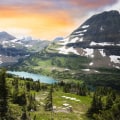
When considering a move to Montana, one of the most critical factors to evaluate is safety. This vast state, known for its stunning landscapes and outdoor recreational opportunities, also offers a variety of living environments that can significantly impact your quality of life. Understanding the nuances of safety in Montana is essential for potential residents who want to ensure they are making a wise choice for themselves and their families. Montana's safety landscape is shaped by various factors, including crime rates, community engagement, and access to emergency services. While some areas boast low crime rates and a strong sense of community, others may present challenges that could affect your decision.
Therefore, it’s crucial to delve into the specifics of living in Montana and identify which cities or towns stand out as the safest places to call home. This exploration not only highlights the importance of safety but also sets the stage for a deeper understanding of what makes certain locations in Montana more secure than others. By examining crime statistics, community resources, and local amenities, you can gain valuable insights into where you might feel most at ease. As we navigate through this topic, we will uncover the safest cities in Montana and what they have to offer for those seeking peace of mind in their new home.
Factors That Determine Safety
When evaluating the safety of a location in Montana, several key factors come into play. Understanding these elements can help potential residents make informed decisions about where to settle.- Crime Rates: One of the most significant indicators of safety is the local crime rate.
Areas with lower crime rates typically offer a more secure environment. It’s essential to research both violent and property crime statistics, as they can vary widely even within the same region.
- Community Engagement: A strong sense of community can greatly enhance safety. Neighborhoods with active community programs, neighborhood watch groups, and engaged residents often experience lower crime rates. Community involvement fosters a sense of responsibility and vigilance among residents.
- Emergency Services: The availability and responsiveness of local emergency services, such as police, fire departments, and medical facilities, are crucial for safety.
Areas with well-funded and efficiently managed emergency services can respond quickly to incidents, reducing potential harm.
- Environmental Risks: Montana is known for its natural beauty, but it also faces certain environmental risks such as wildfires, floods, and severe weather. Understanding the likelihood of these events in specific areas can help gauge overall safety. Researching local disaster preparedness plans is also advisable.
Top Safest Cities in Montana
When considering the safest cities in Montana, several towns stand out due to their low crime rates and strong community values.Here are some of the top contenders:
- Whitefish : Nestled near Glacier National Park, Whitefish boasts a low crime rate, with violent crimes significantly below the national average. The town's vibrant community and active lifestyle contribute to its safety, making it a popular choice for families and retirees alike.
- Columbia Falls : Known for its friendly atmosphere, Columbia Falls has a crime rate that is well below the state average. The town's commitment to community policing and neighborhood watch programs enhances its reputation as a safe place to live.
- Billings : As Montana's largest city, Billings offers a mix of urban amenities and suburban safety. Certain neighborhoods within Billings report low crime statistics, particularly in areas with strong community engagement and active local organizations.
- Bozeman : Home to Montana State University, Bozeman is not only known for its educational opportunities but also for its safety.
The city has implemented various safety initiatives that have resulted in a decrease in crime rates over the years.
- Helena : The state capital, Helena, combines rich history with a low crime rate. Its community-oriented approach to law enforcement has fostered a safe environment for residents.
Community and Lifestyle in Safe Areas
Living in the safest areas of Montana offers a unique blend of community life and lifestyle opportunities that cater to families and individuals alike.Towns such as Whitefish, Bozeman, and Helena not only boast low crime rates but also foster a strong sense of community, making them ideal for those seeking a peaceful environment.
Family-Friendly Amenities
- Parks and Recreation: Many safe towns in Montana feature well-maintained parks, playgrounds, and recreational facilities. Families can enjoy outdoor activities such as hiking, biking, and fishing, which are abundant in the state’s natural landscapes.
- Schools: The safest areas often have access to high-quality schools with strong academic programs and extracurricular activities. This focus on education is a significant draw for families looking to settle down.
- Community Events: Regular community events, such as farmers' markets, festivals, and holiday celebrations, provide opportunities for residents to engage with one another and build lasting relationships.
Recreational Activities
The lifestyle in these safe cities is enriched by a variety of recreational activities. Residents can take advantage of:
- Outdoor Adventures: With the stunning backdrop of the Rocky Mountains, residents can partake in skiing, snowboarding, hiking, and camping throughout the year.
- Cultural Experiences: Many towns host art galleries, theaters, and music festivals that celebrate local culture and talent.
- Community Engagement: Volunteer opportunities abound in safe areas, allowing residents to contribute to local charities and initiatives that strengthen community bonds.
Comparative Analysis of Safety Metrics
When evaluating the safety metrics of various cities and towns in Montana, it is essential to consider multiple factors, including crime rates, police presence, and community engagement.This comparative analysis aims to provide a clearer picture of which locations stand out as the safest.According to recent data from the FBI's Uniform Crime Reporting (UCR) program, cities like Bozeman and Whitefish consistently rank among the safest in the state. In contrast, larger urban areas such as Billings and Missoula report higher crime rates, particularly in property crimes.
Crime Rate Analysis
- Bozeman: With a population of approximately 50,000, Bozeman has a violent crime rate of just 1.5 incidents per 1,000 residents, significantly lower than the national average.
- Whitefish: Known for its low crime rates, Whitefish boasts a property crime rate of only 10.2 per 1,000 residents.
- Billings: As Montana's largest city, Billings faces challenges with a higher violent crime rate of 6.4 per 1,000 residents.
- Missoula: Missoula's crime statistics show a mixed bag, with a violent crime rate of 5.2 per 1,000 residents but a strong community policing initiative aimed at reducing these numbers.
- Bozeman : Best overall safety metrics.
- Whitefish : Low crime rates and strong community engagement.
- Missoula : Active efforts to improve safety despite higher rates.
- Billings : Higher crime rates but ongoing initiatives to enhance safety.
FAQs About Living Safely in Montana
When considering a move to Montana, many potential residents have questions about safety and living conditions. Here are some frequently asked questions that can help clarify common concerns:What are the crime rates like in Montana?
Montana generally has lower crime rates compared to the national average.However, crime can vary significantly between urban and rural areas. Cities like Billings and Missoula may experience higher crime rates, particularly in specific neighborhoods, while smaller towns often report much lower incidents of crime.
Is Montana safe for families?
Yes, Montana is considered a safe place for families. Many communities prioritize family-friendly environments, with access to outdoor activities, good schools, and low crime rates.Areas such as Bozeman and Whitefish are particularly noted for their family-oriented amenities.
What natural hazards should I be aware of?
While Montana is known for its stunning landscapes, it is also prone to certain natural hazards. Residents should be aware of:- Wildfires: Particularly in the summer months, wildfires can pose a risk in forested areas.
- Severe weather: Winter storms can lead to hazardous driving conditions.
- Earthquakes: Although rare, Montana is located near seismic zones.
How can I stay informed about safety in my area?
Staying informed is crucial for safety. Residents can:- Join local community groups: These often share information about safety concerns and events.
- Follow local news outlets: Keeping up with local news can provide updates on crime and safety issues.
- Utilize social media: Many towns have Facebook groups where residents discuss safety topics.
Conclusion: Finding Your Safe Haven in Montana
In conclusion, finding the safest place to live in Montana is a multifaceted decision that requires careful consideration of various factors.Throughout this article, we have explored several communities known for their low crime rates, strong community ties, and overall quality of life. Each location offers unique advantages that cater to different lifestyles and preferences.When evaluating safety, it’s essential to consider not only the crime statistics but also the community resources, such as schools, healthcare facilities, and recreational opportunities. A safe environment is not solely defined by low crime rates; it also encompasses a supportive community and access to essential services.
- Community Engagement: Look for areas where residents actively participate in local events and initiatives. A strong sense of community can enhance safety.
- Emergency Services: Proximity to reliable emergency services can be a crucial factor in ensuring safety.
- Environmental Factors: Consider natural hazards that may affect safety, such as wildfires or floods, and how well the community is prepared for these events.
Whether you prioritize outdoor activities, family-friendly environments, or cultural amenities, Montana has a variety of options that can serve as your safe haven.As you embark on this journey to find your ideal home in Montana, take the time to visit potential locations, engage with local residents, and assess what makes you feel secure and comfortable. Your perfect sanctuary awaits in the beautiful landscapes of Montana.