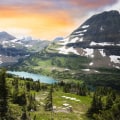
As the sun sets over the rugged mountains and vast plains of Montana, it’s easy to see why this state has become a haven for retirees seeking a peaceful and fulfilling lifestyle. With its breathtaking landscapes, rich cultural heritage, and a strong sense of community, retiring in Montana offers a unique blend of natural beauty and tranquility that is hard to find elsewhere. Many individuals are drawn to the idea of spending their golden years surrounded by the stunning vistas of Glacier National Park or the serene waters of Flathead Lake. One of the most compelling reasons to retire in Montana is the state’s commitment to outdoor recreation. From hiking and fishing to skiing and snowmobiling, retirees can enjoy an active lifestyle year-round.
The abundance of national parks and forests provides endless opportunities for exploration and adventure, making it an ideal location for those who wish to stay physically active in their retirement. Moreover, Montana boasts a low population density, which translates into less congestion and a slower pace of life. This peaceful environment allows retirees to connect with nature and enjoy a sense of solitude that is often hard to come by in more urban settings. Additionally, the cost of living in many parts of Montana is relatively affordable compared to other states, making it an attractive option for those looking to stretch their retirement savings further. In summary, the appeal of Montana for retirees lies not only in its stunning landscapes but also in its vibrant communities and outdoor lifestyle. As we delve deeper into the specific benefits of retiring in this remarkable state, it becomes clear that Montana offers a unique opportunity for those seeking a fulfilling and adventurous retirement.
Natural Beauty and Outdoor Activities
Montana is renowned for its breathtaking natural beauty, making it a prime destination for retirees who seek a serene yet active lifestyle.The state boasts a diverse landscape that includes majestic mountains, expansive plains, and pristine lakes, all of which provide a stunning backdrop for outdoor enthusiasts.One of the crown jewels of Montana is Glacier National Park, where retirees can explore over 700 miles of hiking trails, witness spectacular wildlife, and enjoy the tranquility of glacial lakes. The park's rugged terrain and scenic vistas offer endless opportunities for adventure, from hiking and camping to photography and birdwatching.In addition to Glacier, Yellowstone National Park, which extends into Montana, is another major draw. Here, retirees can experience geothermal wonders, such as geysers and hot springs, while also engaging in activities like fishing, boating, and wildlife viewing. The park's vastness allows for peaceful exploration away from the hustle and bustle of city life.The outdoor activities available in Montana are not limited to national parks.
The state offers numerous opportunities for skiing, snowboarding, and snowshoeing during the winter months at resorts like Big Sky and Whitefish. In the warmer months, retirees can enjoy biking, kayaking, and golfing, with many courses set against stunning mountain backdrops.The combination of natural beauty and outdoor activities fosters a vibrant retirement lifestyle in Montana. Many retirees find joy in joining local clubs or groups that focus on hiking, fishing, or other outdoor pursuits, creating a sense of community while staying active. This connection to nature not only enhances physical well-being but also contributes to mental health, making Montana an ideal place for those looking to retire in an environment that promotes both adventure and tranquility.
Cost of Living and Housing Options
When considering retirement, one of the most significant factors is the cost of living.Montana offers a relatively affordable lifestyle compared to many other states, particularly those on the coasts. The overall cost of living in Montana is approximately 10% lower than the national average, making it an attractive option for retirees looking to stretch their savings.Housing is a crucial component of living expenses, and Montana provides a variety of options that cater to retirees. From charming small towns to more urban settings, retirees can find homes that fit their budget and lifestyle. For instance, cities like Billings and Missoula offer a range of housing options from affordable single-family homes to more upscale condominiums.
In rural areas, retirees can often find even more affordable properties, allowing them to enjoy the scenic beauty of Montana without breaking the bank.
Affordable Retirement Locations
- Bozeman: Known for its vibrant community and access to outdoor activities, Bozeman has a mix of housing options, though prices have been rising due to its popularity.
- Great Falls: This city offers some of the most affordable housing in Montana, with a lower median home price compared to the state average.
- Helena: The state capital provides a blend of history and modern amenities, with reasonable housing costs that appeal to many retirees.
- Kalispell: Nestled near Glacier National Park, Kalispell offers stunning views and a range of affordable housing options for those who love nature.
Community and Lifestyle
One of the most compelling reasons retirees choose to settle in Montana is the vibrant community and lifestyle that the state offers. With its stunning landscapes and welcoming atmosphere, Montana provides a unique backdrop for social engagement and personal fulfillment.Montana retirement communities are designed to foster connections among residents. Many of these communities offer a variety of amenities and activities tailored specifically for retirees.From fitness classes to art workshops, there is something for everyone. These activities not only promote physical health but also encourage social interaction, allowing retirees to forge new friendships.In addition to organized community events, Montana boasts a rich tapestry of local clubs and organizations that cater to diverse interests. Whether you are passionate about hiking, gardening, or book clubs, you will find like-minded individuals eager to share their hobbies. This sense of belonging is crucial for retirees looking to maintain an active social life.
- Outdoor Activities: The breathtaking natural beauty of Montana invites retirees to engage in outdoor pursuits such as hiking, fishing, and birdwatching.
Many communities organize group outings, making it easy to connect with others who share a love for nature.
- Cultural Events: Throughout the year, Montana hosts numerous festivals and fairs that celebrate local culture and heritage. These events provide excellent opportunities for retirees to mingle and enjoy the vibrant community spirit.
- Volunteer Opportunities: Many retirees find fulfillment in giving back to their communities. Volunteering not only helps others but also allows retirees to meet new people and feel more connected to their surroundings.
Healthcare Access and Services
When considering retirement destinations, healthcare access and services play a pivotal role, especially for retirees who may have ongoing medical needs.Montana, known for its stunning landscapes and outdoor lifestyle, also offers a range of healthcare options that cater to the needs of its aging population.One of the key factors contributing to the appeal of Montana for retirees is the availability of medical facilities. The state is home to several well-equipped hospitals and clinics, including:
- Billings Clinic - The largest independent nonprofit hospital in Montana, offering comprehensive services including emergency care, surgery, and specialized treatments.
- St. Vincent Healthcare - Located in Billings, this facility provides a wide array of services from primary care to advanced surgical procedures.
- Community Medical Center - Situated in Missoula, it offers a full spectrum of healthcare services and is known for its patient-centered approach.
This technology allows retirees to consult with healthcare professionals without the need for extensive travel, making it easier to manage chronic conditions or seek advice on health concerns.Moreover, Montana's healthcare system is supported by various programs aimed at assisting seniors. These include:
- Medicare Advantage Plans - Offering additional coverage options tailored for retirees.
- Medicaid Services - Providing essential support for low-income seniors needing long-term care.
- Aging Services - Local agencies that help connect seniors with resources and support networks.
Climate and Weather Considerations
When considering retirement in Montana, climate and weather play a crucial role in shaping the lifestyle of retirees. The state is known for its diverse climate, which varies significantly across different regions, offering something for everyone.Seasonal Changes in Montana
Montana experiences four distinct seasons, each bringing unique opportunities for outdoor activities:- Spring: Typically mild, spring in Montana sees temperatures ranging from the 40s to 70s (°F). This season is perfect for retirees who enjoy gardening and hiking as the landscape bursts into bloom.
- Summer: Summers can be warm, with temperatures often exceeding 80°F.
This is the ideal time for retirees to engage in activities like fishing, camping, and exploring the numerous national parks.
- Fall: With cooler temperatures and stunning foliage, fall is a favorite among many. The crisp air and vibrant colors make it a great time for scenic drives and harvest festivals.
- Winter: Winters can be harsh, especially in the mountainous regions, with temperatures dropping below freezing. However, this season attracts retirees who enjoy skiing and snowboarding at world-class resorts.
Whether it's enjoying the warm summer sun or embracing the snowy winters, retirees can find a lifestyle that suits their preferences while taking advantage of the state's natural beauty.
Cultural Attractions and Activities
Montana is not just a haven for outdoor enthusiasts; it also boasts a rich tapestry of cultural attractions that appeal to retirees seeking a vibrant community life. From art galleries to historical museums, the state offers a plethora of opportunities to engage with the local culture.Museums and Historical Sites
- The Montana Historical Society Museum in Helena showcases the state's history through engaging exhibits and artifacts, making it a must-visit for history buffs.
- The Museum of the Rockies in Bozeman features impressive dinosaur fossils and exhibits on Native American culture, providing a fascinating glimpse into the past.
- Lewis and Clark Caverns State Park offers guided tours through stunning limestone caverns, blending natural beauty with historical significance.
Arts and Festivals
For those who appreciate the arts, Montana hosts numerous festivals and events throughout the year:
- The Big Sky Documentary Film Festival, held annually in Missoula, showcases compelling documentaries from around the world, attracting filmmakers and audiences alike.
- The Montana Folk Festival in Butte celebrates diverse musical traditions with performances from local and national artists, creating a lively atmosphere for all ages.
- The Flathead Lake Cherry Festival not only highlights local agriculture but also features arts and crafts vendors, making it a delightful experience for retirees looking to immerse themselves in community spirit.
FAQs About Retiring in Montana
When considering retirement in Montana, many potential retirees have questions about the lifestyle, cost of living, and healthcare options. Here are some frequently asked questions that can help clarify common concerns:- What is the cost of living in Montana? The cost of living in Montana can vary significantly depending on the region. Generally, rural areas tend to be more affordable than urban centers like Billings or Missoula.
Housing costs are often lower than the national average, making it an attractive option for retirees.
- Is healthcare accessible in Montana? While Montana has several healthcare facilities, access can be limited in more remote areas. Major cities offer a range of services, but retirees should consider proximity to hospitals and specialists when choosing a location.
- What recreational activities are available? Montana is renowned for its stunning natural landscapes, offering numerous outdoor activities such as hiking, fishing, and skiing. National parks like Glacier and Yellowstone provide ample opportunities for exploration and adventure.
- How is the community for retirees? Many towns in Montana have welcoming communities with active social scenes. Local organizations often host events and activities tailored to seniors, fostering a sense of belonging.
- What is the climate like? Montana experiences a range of weather conditions, with cold winters and warm summers.
Retirees should be prepared for seasonal changes and consider how this may affect their lifestyle.
Conclusion: The Ideal Retirement Destination?
In conclusion, Montana stands out as an ideal retirement destination for a multitude of reasons. From its breathtaking natural landscapes to its vibrant communities, retirees find a unique blend of tranquility and adventure that is hard to match. One of the most compelling aspects of retiring in Montana is the affordable cost of living. Compared to many other states, Montana offers reasonable housing prices and lower overall expenses, allowing retirees to stretch their savings further. This financial advantage is coupled with a low tax burden, making it easier for retirees to enjoy their golden years without the stress of financial strain. Moreover, the state’s outdoor recreational opportunities are unparalleled.With access to national parks, hiking trails, and pristine lakes, retirees can engage in activities that promote a healthy and active lifestyle. Whether it’s fishing in Flathead Lake or skiing in Big Sky, the options are endless. Additionally, Montana's tight-knit communities foster a sense of belonging and support. Many towns host events and activities that encourage social interaction, making it easier for newcomers to integrate and form lasting friendships. This social aspect is crucial for maintaining mental well-being during retirement. Lastly, the stunning scenery provides a peaceful backdrop for daily life.
The majestic mountains and expansive skies not only enhance the quality of life but also offer a constant reminder of nature's beauty. In summary, with its combination of affordability, recreational activities, community spirit, and natural beauty, Montana truly embodies an ideal retirement destination. For those seeking a fulfilling and enriching retirement experience, this state deserves serious consideration.